Why Segregating Deaf Worshippers Undermines True Inclusion
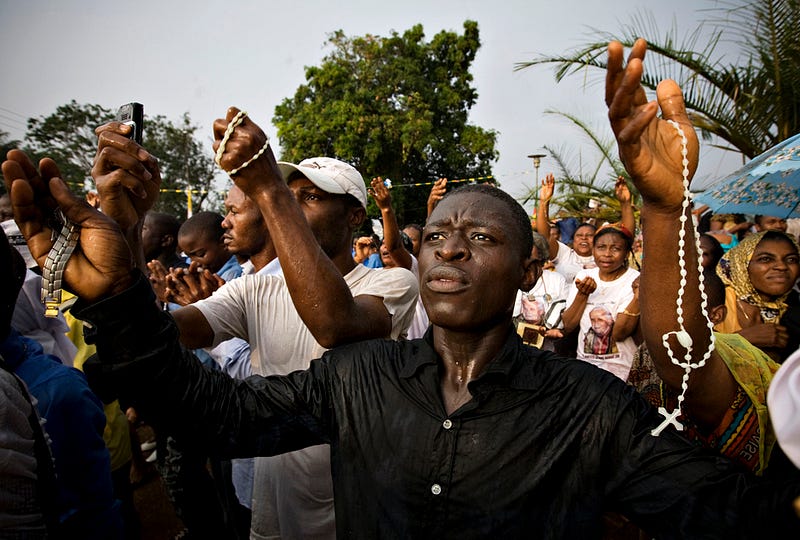
In the quest for inclusive environments, particularly within religious settings, one practice continues to undermine genuine disability inclusion: the separation of deaf congregants into different rooms or spaces. As an advocate for inclusion, I find this practice not only outdated but counterproductive to the ideals of unity and understanding that many religious institutions strive to embody.
Imagine attending a church service where, instead of sitting alongside your fellow worshippers, you are directed to a separate room with an interpreter to manage your affairs. This is the reality for many deaf individuals who are often isolated from the hearing congregants during worship. While the intention might be to provide a tailored experience with an interpreter, the execution falls short of true inclusion.
Deaf ministries and fellowships are vital. They provide a space where deaf individuals can connect, share experiences, and support one another. However, this should not translate to physical segregation. Instead, deaf and hearing congregants should worship together, with interpreters facilitating communication. This integrated approach offers several key benefits:
1. Exposure and Awareness: When hearing individuals are exposed to deaf culture through shared worship experiences, they gain a deeper understanding and respect for the community. This exposure fosters a culture of empathy and appreciation, breaking down misconceptions and biases.
2. Unified Worship: Worshipping together symbolizes unity and equality before the divine. It reflects the inclusive spirit many religious teachings advocate, reinforcing the message that all are welcome and valued equally.
3. Practical Inclusion: Inclusion should not be an afterthought but a foundational practice. By integrating interpreters within the main congregation, churches demonstrate a commitment to inclusivity in a practical and visible way.
4. Community Building: Shared experiences build stronger, more cohesive communities. When deaf and hearing individuals worship together, they form bonds that extend beyond the service, fostering a more inclusive and supportive community.
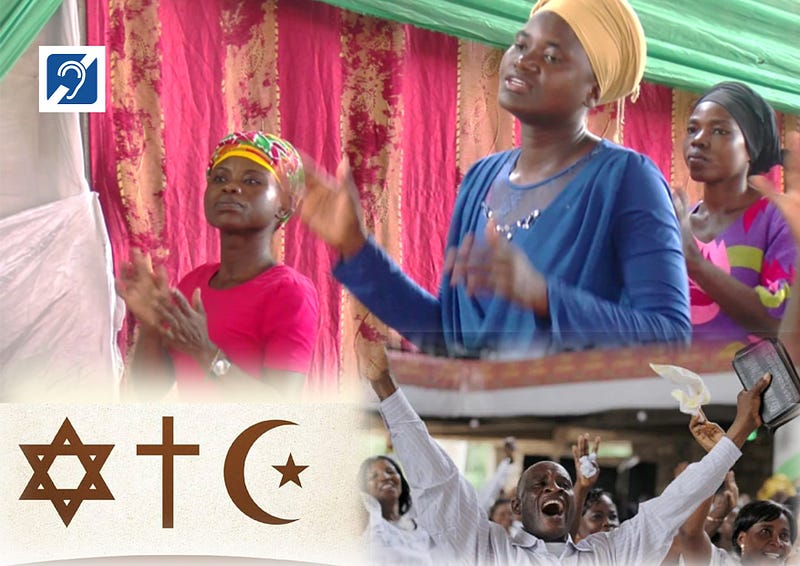
The struggle for disability inclusion, particularly within the deaf community, has been ongoing for decades. The separation of deaf worshippers is a practice rooted in a lack of understanding and a tendency to prioritize convenience over genuine inclusion. It’s time to move beyond these outdated methods and embrace practices that reflect true inclusivity.
As we advocate for change, it is essential to remember that inclusion is not just about providing equal access but about creating environments where everyone can participate fully and equally. Churches and other religious institutions have a unique opportunity to lead by example, demonstrating that true worship transcends physical and communication barriers.
Let’s envision a future where all congregants, regardless of their hearing abilities, can come together in a shared space, united in their faith and mutual respect. By worshipping together, we not only honor the diversity within our communities but also take a significant step toward a more inclusive world.
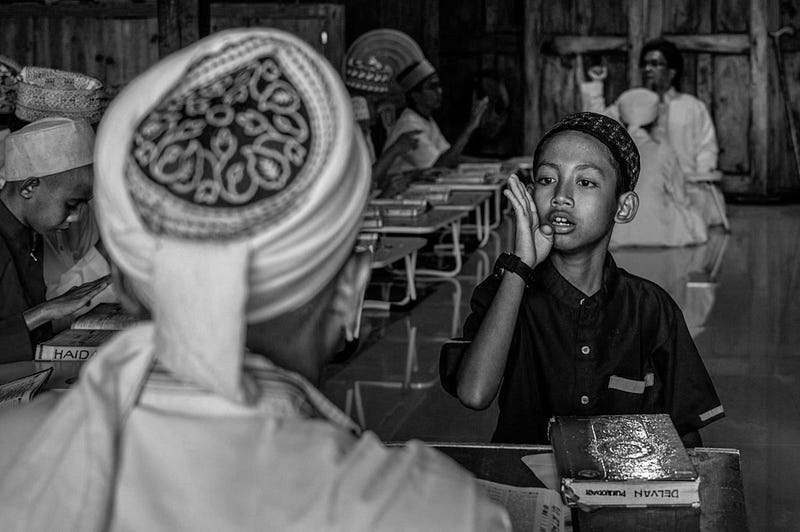
What are your thoughts on this matter? How can we further advocate for inclusive practices within our religious communities? Share your opinions and let’s continue this important conversation.
Comments
Post a Comment