Video: MC Baba-The Deaf Rapper Of Congo And What It Means For The Deaf Community Globally

In the heart of the Republic of Congo, a new viral sensation has emerged, capturing the attention of millions across social media platforms. This sensation is none other than MC Baba, a deaf rapper whose unique tracks comprise squeals and screams set to beats. The buzz around MC Baba has sparked intense discussions, raising important questions about the representation and treatment of the deaf community.
Breaking Barriers or Perpetuating Stereotypes?
MC Baba’s rise to fame is both celebrated and criticized. On one hand, some see him as a groundbreaking artist challenging traditional notions of performance and disability. By stepping into the spotlight, MC Baba brings attention to the capabilities of individuals with disabilities, showing that creativity knows no bounds. His unique approach forces audiences to reconsider what it means to be a performer and pushes the envelope on how art can be expressed.
However, this unconventional fame comes with significant controversy. Many within the deaf community and their advocates worry that MC Baba’s style, characterized by non-traditional sounds, might perpetuate harmful stereotypes. For centuries, deaf individuals have faced mockery and misunderstanding due to their speech, often described as monotone because they cannot hear the natural inflections in spoken language. MC Baba’s performances could inadvertently reinforce these stereotypes, making it harder for the deaf community to gain the respect and acceptance they have long fought for.
The Challenge of Speech for the Deaf
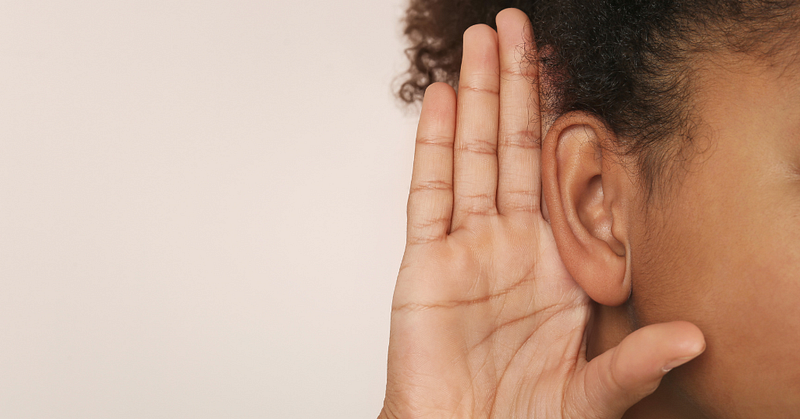
Understanding the intricacies of speech for the deaf is crucial in this discussion. For a deaf person, particularly one with complete hearing loss, speech can indeed be monotone. This is not due to a lack of effort or intelligence but simply because they cannot hear to replicate the inflections of natural speech. The relationship between hearing and speech is profound; without auditory feedback, modulating one’s voice in the way that hearing individuals do is nearly impossible.
Therefore, when deaf individuals attempt to speak or rap, their efforts are often met with misunderstanding or ridicule from those who do not grasp the challenges they face. This is where sign language plays a vital role. It offers a rich, expressive means of communication that does not rely on sound. Perhaps the future of deaf performance lies in embracing sign language fully, potentially even incorporating it into rap and other musical genres.
Impact on Advocacy and Perception
The emergence of MC Baba poses a dilemma for deaf advocacy. While his fame brings visibility to deaf individuals, it also risks trivializing their experiences. If the public perceives MC Baba as a parody or joke, it could undermine the serious efforts of the deaf community to promote acceptance and respect. The humorous reactions to MC Baba’s tracks may encourage some hearing individuals to continue mocking deaf speech patterns, undoing years of progress in advocacy and education.
Moreover, the debate over MC Baba’s authenticity — whether he is a genuine artist or part of an elaborate joke — highlights the precarious position of disabled performers in the media. It’s crucial that society learns to appreciate and support genuine efforts by disabled artists while also protecting the dignity of these communities from exploitation and ridicule.
A Call for Inclusive Tourism and Art
In the end, the story of MC Baba should be a call to action. It highlights the need for more inclusive and respectful representations of disabled individuals in all forms of media. The deaf community has long championed the use of sign language as a powerful and expressive tool. Perhaps integrating sign language into musical performance could pave the way for a new genre that truly respects and showcases the talents of deaf artists.
MC Baba’s viral fame should not be a point of division but rather a moment of reflection and learning. By embracing the diversity of expression within the deaf community and promoting understanding, we can move towards a world where all artists, regardless of their abilities, are celebrated for their unique contributions to the arts.
What are your thoughts? Share your views or opinions in the comments below. Please Like, Share and Follow.
Comments
Post a Comment