Love Beyond Words: Deaf-Hearing Relationships in Ghana
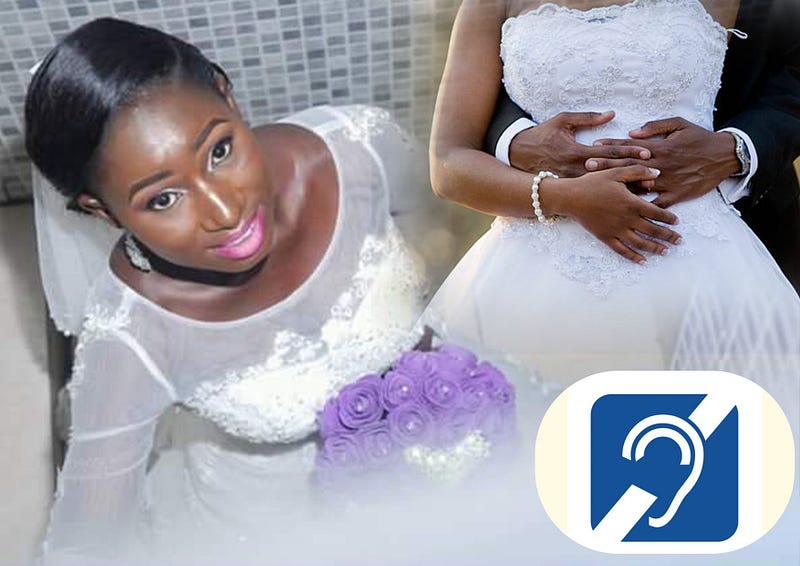
In Ghana, where vibrant traditions and cultural richness abound, love stories unfold in myriad ways. Among these tales are those of deaf individuals seeking connection, understanding, and acceptance in a world that often struggles to bridge the gap between hearing and non-hearing communities. The complexities of deaf-hearing relationships in Ghana, the challenges they face, and the beauty that emerges when love transcends communication barriers will be looked at in this article.
The Landscape of Deaf-Hearing Relationships
Deaf-hearing relationships in Ghana are often met with skepticism and societal resistance. Cultural norms and misconceptions about deafness can create significant barriers to understanding and acceptance. Deaf individuals are frequently advised to marry within the deaf community, as these unions are perceived to offer a more harmonious and empathetic partnership.
This advice stems from practical concerns. Communication is the cornerstone of any relationship, and for deaf individuals, finding a partner who understands and uses sign language can alleviate many potential misunderstandings. Furthermore, deaf-deaf relationships inherently bypass many of the prejudices and misconceptions that hearing partners might inadvertently bring into the relationship.
Challenges in Deaf-Hearing Relationships
• Communication Barriers: The most immediate challenge in deaf-hearing relationships is communication. While love can be expressed in countless ways, the inability to share thoughts and feelings verbally can lead to frustration and isolation. For a hearing partner, learning sign language is essential, but it requires time, dedication, and genuine commitment.
• Cultural Differences: Deaf culture in Ghana has its own set of norms, values, and social cues. Hearing individuals must immerse themselves in this culture to fully understand and respect their partner’s experiences. This cultural immersion is not always easy and can be a significant source of tension.
• Power Dynamics: Unfortunately, there are instances where hearing individuals may take advantage of their deaf partners. This exploitation can manifest in various forms, from financial manipulation to emotional abuse, exacerbated by the deaf partner’s reliance on the hearing world for certain needs.
- Social Stigma: Society often views deaf-hearing relationships with suspicion or pity, rather than acceptance. This external pressure can strain the relationship, as couples may feel judged or unsupported by their communities.
Stories of Resilience and Love
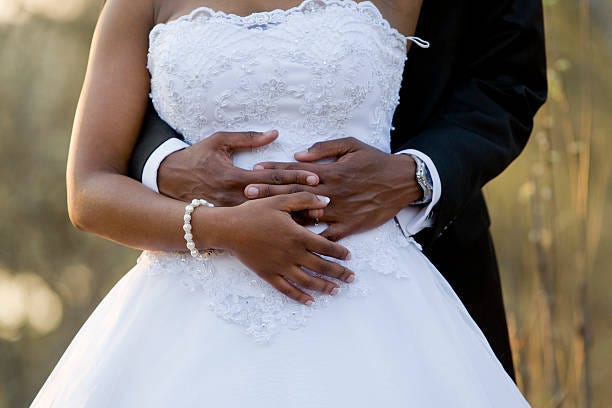
Despite these challenges, there are inspiring stories of deaf-hearing relationships that flourish against the odds. Take the story of Adwoa and Kwasi, a couple who met through a mutual friend in Accra. Adwoa, who is deaf, was initially hesitant to pursue a relationship with Kwasi, a hearing man. However, Kwasi’s genuine interest in learning sign language and understanding deaf culture won her over. Over time, they built a strong foundation based on mutual respect, love, and a shared commitment to bridge the communication gap.
Their story highlights that while the road may be rocky, the journey can lead to a deeply fulfilling partnership. Kwasi’s immersion into the deaf community not only strengthened their bond but also enriched his own understanding of a world previously unknown to him.
Building Bridges: How Hearing Partners Can Support
For hearing individuals in relationships with deaf partners, understanding and support are crucial. Here are some ways to build a strong, respectful partnership:
1. Learn Sign Language: This is the most critical step. It shows respect for your partner’s primary mode of communication and helps in building a deeper connection.
2. Educate Yourself: Understand the cultural nuances and experiences of the deaf community. Attend events, join forums, and engage with other deaf individuals to broaden your perspective.
3. Advocate and Support: Stand by your partner in advocating for their rights and needs. This might mean challenging societal norms and fighting against discrimination.
4. Patience and Empathy: Recognize that navigating a deaf-hearing relationship requires patience and a willingness to continually learn and adapt.

Celebrating Love in All Forms
Deaf-hearing relationships in Ghana, like any other, require effort, understanding, and a deep commitment to mutual respect. While the challenges are significant, they are not insurmountable. By embracing the unique dynamics of these relationships, society can learn to appreciate the diverse expressions of love that exist beyond the realm of spoken words.
In a country where communal ties and cultural heritage are cherished, it’s time to extend this inclusivity to deaf-hearing relationships, celebrating their resilience and the profound connections that transcend auditory barriers. Love, after all, speaks in many languages, and sometimes, the most powerful expressions are those that go beyond words.
Comments
Post a Comment