Ghana’s Economic Hardship: The Deaf Community Fights For Survival
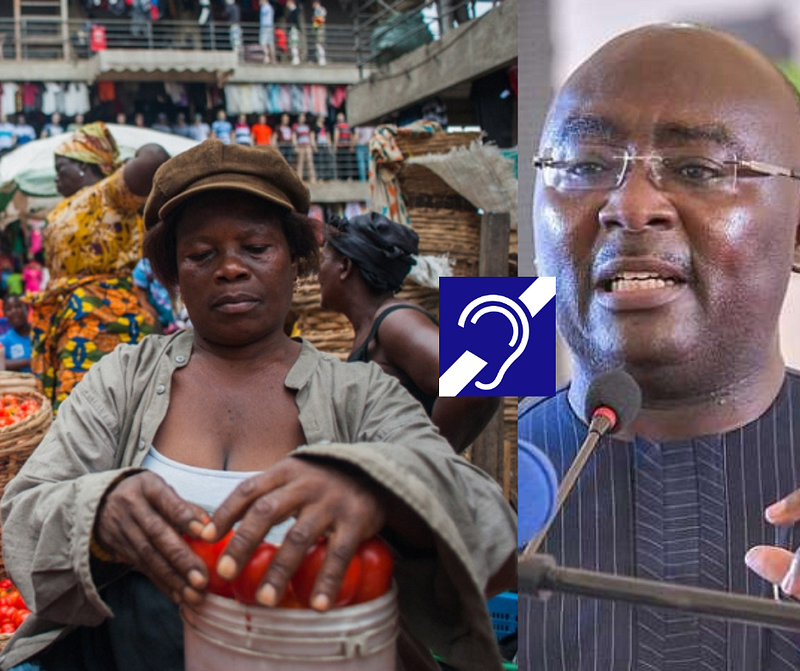
The current economic landscape in Ghana is challenging for everyone, but it is especially harsh for the Deaf community. With rising costs of living, increased transportation fares, inflated prices of food, and higher utility bills, the struggle to make ends meet is a daily reality for many Ghanaians. However, for the Deaf population, these economic challenges are compounded by societal misconceptions and a lack of opportunities.
Vice President Dr. Mahamudu Bawumia recently highlighted the escalating cost of living in Ghana during a meeting with the clergy in the Central Region. His comments underscored the harsh economic conditions facing the nation, but they also begged the question: what does this mean for the Deaf community, who are already vulnerable within the disability fraternity?
The Deaf Community’s Employment Struggle
Employment remains a significant hurdle for Deaf individuals. Misconceptions about their abilities and a lack of inclusive workplaces mean that many Deaf people struggle to find stable employment. This not only affects their ability to provide for themselves but also impacts their families, especially for Deaf parents with children in school.
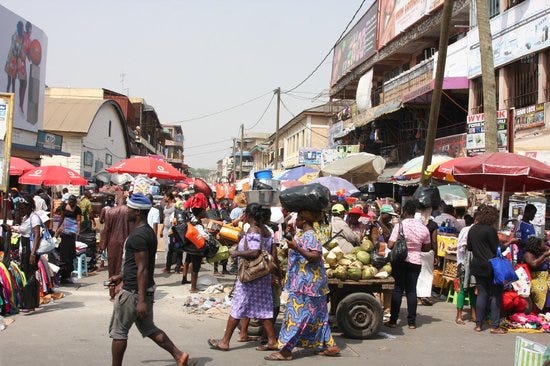
The economic hardship in Ghana exacerbates these challenges. With businesses tightening their belts and reducing staff, Deaf individuals are often the first to be overlooked. This lack of employment opportunities leaves many in the Deaf community facing severe financial strain.
Surviving the Economic Storm
For the Deaf community, surviving this economic storm requires immense resilience. Many Deaf individuals turn to small-scale trading and entrepreneurship as a means of survival. However, the rising costs of goods and transportation can quickly erode any profits they make. The situation is dire, but there are ways the broader community can help.
Supporting the Deaf Community
Employers, NGOs, and the government all have roles to play in supporting the Deaf community during these tough times:
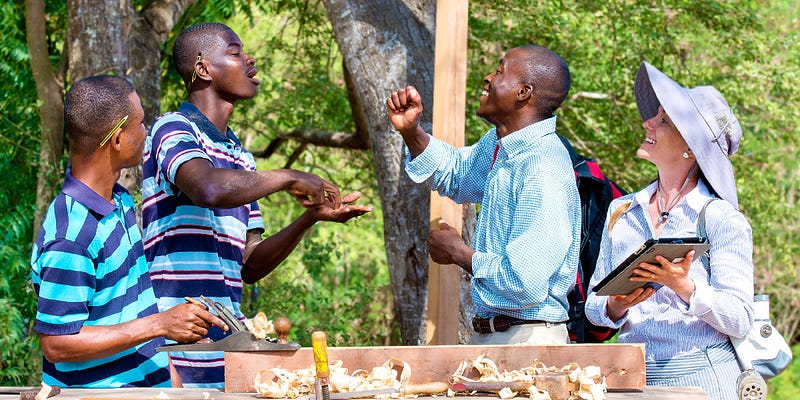
- Inclusive Employment Practices: Employers should consider the capabilities of Deaf individuals and create inclusive work environments. Providing jobs to Deaf people not only helps them financially but also enriches workplaces with diversity and unique perspectives.
2. Government and NGO Support: The government and NGOs need to step up their support for the Deaf community. This could be through vocational training programs, financial aid, or initiatives aimed at fostering entrepreneurship among Deaf individuals.
3. Community Engagement: Everyday Ghanaians can also make a difference. If you encounter a Deaf person selling goods at the market, consider supporting them with your patronage. Small acts of kindness and support can have a significant impact on their livelihoods.
Overcoming Misconceptions
It is important to acknowledge that, like any other group, the Deaf community has its challenges. Not every Deaf individual is a saint, but they deserve the same opportunities and respect as anyone else. Educating the public about Deaf culture and capabilities is crucial in breaking down the barriers that hinder their inclusion in society.
The economic hardship in Ghana is a heavy burden on all, but the Deaf community bears an even greater weight. By fostering inclusive practices, offering support, and challenging misconceptions, we can help ensure that Deaf individuals are not left behind. In doing so, we contribute to a more equitable and resilient society where everyone has the chance to thrive.
Comments
Post a Comment