Deafness as a Stigma in Ghana: Breaking the Silence
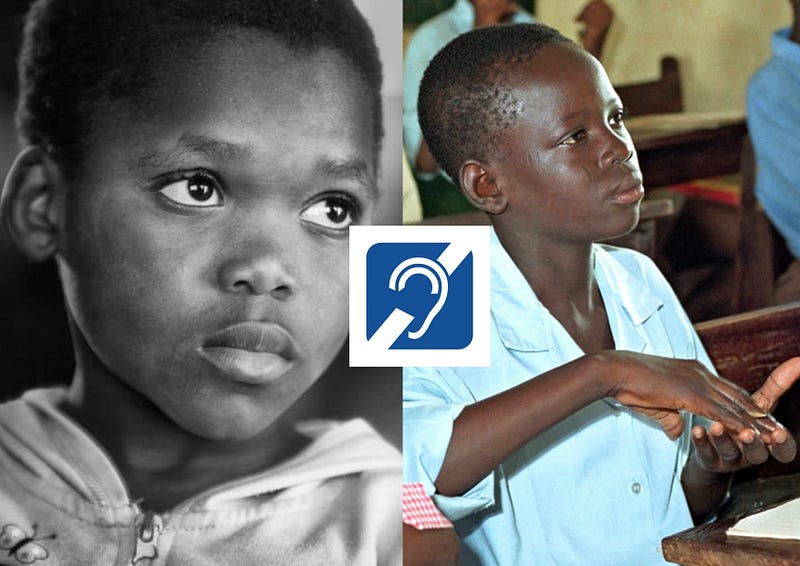
In the vibrant and culturally rich country like Ghana, the invisible thread of stigma often binds those who are deaf to the margins of society. Despite the nation’s strides in many areas of social development, the treatment of deaf individuals remains a significant challenge. This article delves into the cultural perceptions, societal barriers, and emerging efforts to shift the narrative surrounding deafness in Ghana.
The Cultural Context of Deafness
Ghana, known for its deep-rooted traditions and communal living, often views disabilities through a lens shaped by folklore and superstition. In many communities, deafness is seen not just as a physical impairment but as a sign of spiritual misfortune or divine retribution. Such perceptions foster an environment where deaf individuals are often misunderstood, marginalized, and deprived of opportunities.
From a young age, children with hearing impairments face significant hurdles. They are often excluded from mainstream education and social activities, leading to isolation. Parents, burdened by societal judgment, sometimes keep their deaf children hidden from the public eye, further deepening the stigma.
Educational Barriers and Employment Challenges
Access to education for deaf individuals in Ghana is limited. While there are specialized schools for the deaf, they are few and far between, primarily located in urban areas. This geographic disparity leaves many rural children without the possibility of education. Even within these schools, resources are often scarce, and the curriculum may not be adequately adapted to meet the needs of deaf students.
The employment landscape is equally bleak. Deaf individuals struggle to find jobs, not because of a lack of capability, but due to pervasive discrimination. Employers often hesitate to hire deaf workers, fearing communication barriers and underestimating their potential. This results in a high unemployment rate among the deaf population, leading to economic disenfranchisement and reinforcing negative stereotypes.
Social Isolation and Mental Health
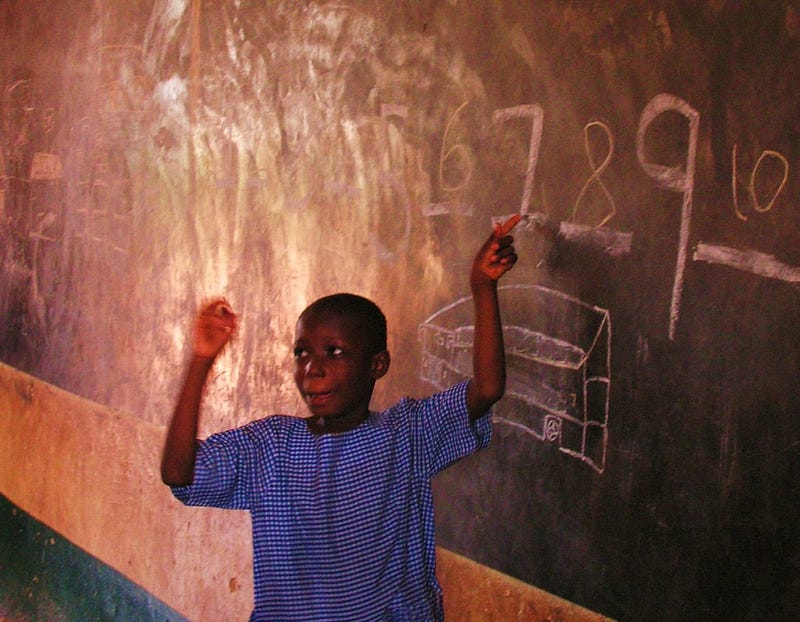
The social isolation experienced by deaf individuals in Ghana can have severe repercussions on mental health. The inability to communicate freely with the hearing population creates a sense of alienation. Without proper support systems, many deaf individuals battle with feelings of loneliness and depression. The lack of awareness about sign language further exacerbates this issue, making it difficult for deaf individuals to integrate into their communities.
Breaking the Silence: Advocacy and Progress
Despite these challenges, there are glimmers of hope and progress. Various non-governmental organizations (NGOs) and advocacy groups are working tirelessly to change perceptions and improve the lives of deaf individuals in Ghana. The Ghana National Association of the Deaf (GNAD), Hope College and it old students (Hope College Old Students’ Association — HOPECOSA) are at the forefront of this movement, promoting the rights of deaf people and striving for their inclusion in all aspects of society.
Efforts to introduce sign language into mainstream education are gaining momentum. Advocates argue that teaching sign language in schools can bridge the communication gap and foster a more inclusive environment. Additionally, public awareness campaigns aim to dismantle myths and educate the broader population about the realities of deafness.
The Role of Technology and Innovation
Technological advancements also hold promise for breaking down barriers. Mobile apps designed to teach sign language, video calling features for real-time interpretation, and other assistive technologies are gradually being introduced in Ghana. These innovations can play a critical role in enhancing communication and accessibility for deaf individuals.
A Call to Action
The journey towards destigmatizing deafness in Ghana is long and fraught with challenges, but it is not insurmountable. By fostering a culture of empathy, understanding, and inclusion, Ghana can ensure that its deaf citizens are not left behind. It requires collective effort — from policymakers, educators, employers, and the community at large — to break the silence and embrace the potential of every individual, regardless of their hearing ability.
In the words of Helen Keller, “Blindness separates people from things; deafness separates people from people.” It is time for Ghana to bridge this divide and create a society where everyone, deaf or hearing, can thrive and contribute to the nation’s rich cultural mosaic.
Comments
Post a Comment