Deaf Ghanaians Say No To Deaf Beggars
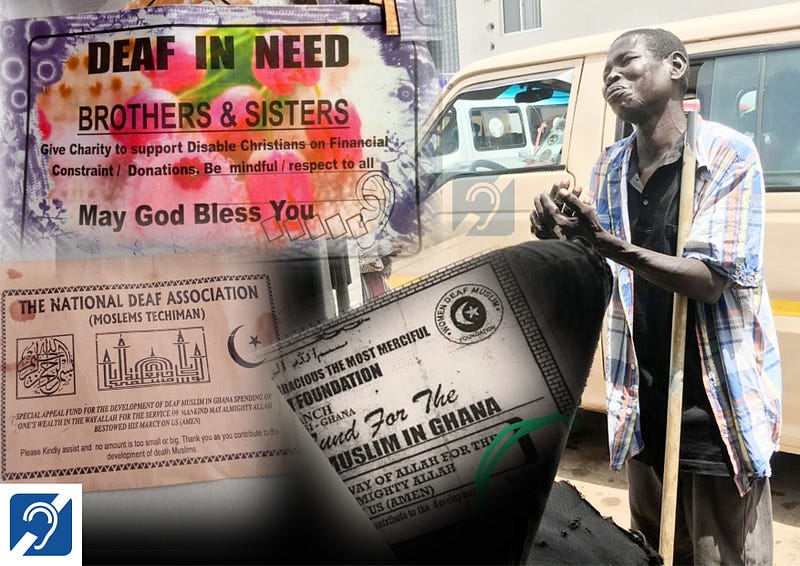
In the bustling streets of Accra, amidst the cacophony of car horns and the vibrant hum of daily life, a silent struggle unfolds. This is not a struggle for visibility but for dignity and respect. The Ghanaian deaf community is taking a stand against a pervasive issue that casts a long shadow over their achievements and potential: deaf beggars.
Deaf beggars in Ghana have become a familiar sight, often seen approaching cars, weaving through trotro buses, and handing out envelopes in public spaces. These envelopes, usually adorned with stories of hardship and pleas for charity, paint a picture of destitution and helplessness. For many hearing people, this image becomes their sole narrative of what it means to be deaf in Ghana: a life of perpetual need and dependency.
However, this narrative is far from the truth, and the wider deaf community is determined to change it.
The Misconceptions and the Reality
The presence of deaf beggars perpetuates harmful stereotypes that the deaf are incapable of leading normal, productive lives. This perception undermines the significant strides made by many deaf individuals who have established themselves in various professions. Contrary to the belief that deaf people are solely reliant on charity, numerous members of the deaf community have undergone extensive training and education to build successful careers.
In Ghana, deaf individuals have become beauticians, fashion designers, lecturers, teachers, nurses, and lawyers. Some have entrepreneurial spirits, running shops, and businesses. Others sell drinks and sachet water on the streets, contributing to the economy through honest work. These achievements highlight the capabilities and resilience of the deaf community, showcasing that they can indeed live independent and fulfilling lives.

The War Against Begging
Recognizing the detrimental impact of deaf begging on their community’s image, leaders within the Ghanaian deaf community have launched a campaign to combat this issue. They aim to cease the use of begging as a means of livelihood and to encourage deaf beggars to seek alternative, more dignified forms of employment.
One of the primary targets of this campaign is the use of misleading envelopes. Often, these envelopes falsely claim to represent deaf organizations seeking support, perpetuating a cycle of mistrust and misrepresentation. The deaf community has begun to confiscate these envelopes and educate those who use them about the negative implications of their actions.
Changing Perceptions
The efforts of the Ghanaian deaf community extend beyond just stopping beggars; they are also focused on educating the hearing population. By highlighting the success stories within their community, they aim to shift the perception of deaf individuals from one of pity to one of respect and admiration. They want the hearing community to see deaf people as capable, talented, and self-sufficient.
This battle is not just about ending begging; it’s about reclaiming their narrative and asserting their place in society as equals. The Ghanaian deaf community’s stand against begging is a testament to their resilience and determination to forge a future where their capabilities are recognized and celebrated.

A Collective Effort
The Ghanaian deaf community’s campaign is a call to action for both deaf and hearing individuals. For deaf beggars, it is an invitation to seek out opportunities that honor their dignity and potential. For the hearing population, it is a reminder to look beyond surface-level assumptions and recognize the diverse abilities within the deaf community.
As this movement gains momentum, it holds the promise of transforming not just the lives of deaf individuals but also the broader societal perceptions of disability. By silencing the misleading narrative of dependency, the Ghanaian deaf community is amplifying a message of capability, resilience, and pride.
Comments
Post a Comment