Caution! Deaf Drivers On Ghana's Roads
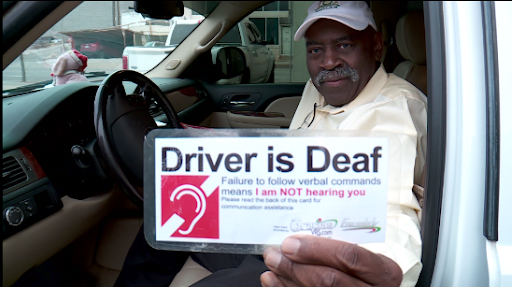
Many hearing individuals are often surprised to learn that there are deaf drivers sharing our roads. It’s a common misconception that deafness impedes one’s ability to drive safely. However, not only are deaf drivers fully capable of driving, but they often outperform their hearing counterparts in road safety.
In the past, the Driver and Vehicle Licensing Authority (DVLA) in Ghana did not have a policy that allowed deaf individuals to obtain a driving permit or license. This has recently changed with the introduction of a new policy designed for the training and testing of drivers with disabilities. This progressive step aligns with the Persons with Disability Act 715, marking a significant milestone in Ghana’s journey toward inclusivity. Although new for Ghana, this is a standard practice in several African countries, including Uganda, South Africa, and Kenya.
The introduction of this policy ensures that everyone, regardless of their physical abilities, has the right to mobility. Some may raise concerns about the safety implications of deaf drivers on the road. However, evidence from other countries and the World Deaf Federation indicates that deaf drivers do not pose a greater risk than hearing drivers. There are no known reports suggesting that deaf drivers are more likely to be involved in traffic accidents or injuries. On the contrary, studies have shown that deaf drivers often exhibit better driving habits, such as more frequent use of rearview mirrors and strict adherence to road safety regulations.

Driving is predominantly a visual activity. Road signs, traffic lights, and visual communication between drivers using indicators and headlights are crucial aspects of driving. Deaf drivers, with their other senses heightened to compensate for the loss of hearing, often demonstrate exceptional awareness on the road. They rely more on their sight and the visual cues around them, making them highly attentive drivers.
To ensure a harmonious and inclusive driving environment, hearing drivers should adopt certain practices. Using indicators, flashing headlights while honking/horning, and adhering to traffic regulations are essential. Simple actions like these can make a significant difference. For instance, if you need to alert a deaf driver, flashing your headlights and using your horn at the same time will be more effective.
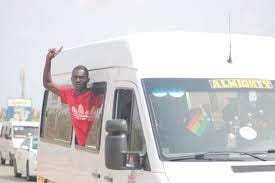
Furthermore, the popular adoption of various hand signs by trotro mates (bus conductors) to indicate stops like Circle, Accra, Amasaman, and Lapaz should be encouraged. This practice not only benefits the general population but also assists deaf passengers in navigating public transport.
Inclusiveness on the roads is a collective effort. By understanding and accommodating the needs of deaf drivers, we create a safer and more inclusive environment for everyone. The change in Ghana’s DVLA policy is a welcome step forward, promoting equality and enhancing road safety. It’s time for all drivers to embrace this change and work together to ensure our roads are safe and accessible for all.
So, the next time you drive, remember: the person behind the wheel next to you might be deaf. Let’s drive with patience, respect, and an inclusive mindset, making our roads a better place for everyone.
Comments
Post a Comment