2024 Elections: Why Ghana's Political Parties Must Engage The Deaf Community
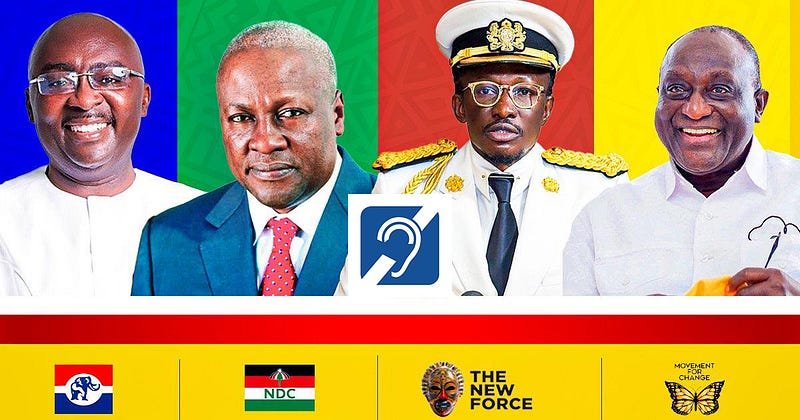
As Ghana approaches the 2024 elections, the major political parties — New Patriotic Party (NPP), National Democratic Congress (NDC), Convention People’s Party (CPP), Progressive People’s Party (PPP), and others — face a critical task: securing the votes necessary to clinch victory. In a nation with a population exceeding 34 million, every vote counts. Yet, there’s a significant demographic that has been largely overlooked in political campaigns: the deaf community.
According to the 2021 Population and Housing Census, there are 470,737 people in Ghana who are deaf or have hearing difficulties, making up over 1.7% of the total population. This number continues to grow, reflecting an increasingly influential segment of society that political parties cannot afford to ignore.
The Overlooked Electorate
Despite their substantial numbers, the deaf community often finds itself sidelined during election campaigns. Political parties traditionally focus on reaching out to the majority through conventional means, often neglecting to communicate effectively with those who rely on sign language. This oversight not only alienates a significant portion of the electorate but also undermines the principles of inclusivity and representation that are fundamental to a thriving democracy.
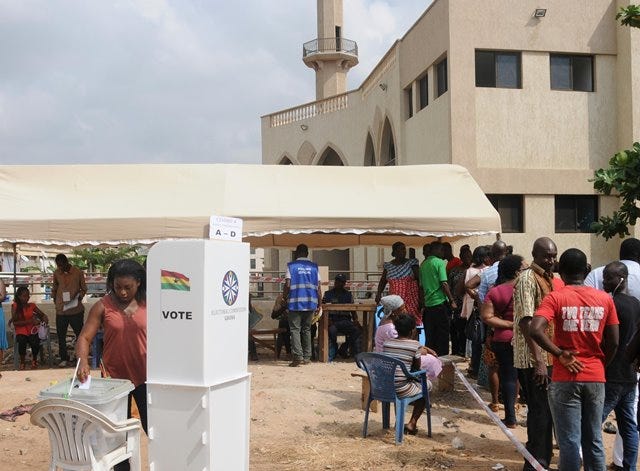
The Power of Inclusion
Engaging the deaf community is not just about equality; it’s about leveraging the full potential of Ghana’s diverse population. The deaf community is politically active and can be incredibly loyal when a party’s manifesto and actions align with their needs and aspirations. To tap into this vital resource, political parties must:
- Utilize Sign Language Interpreters: Ensure that all campaign events, speeches, and promotional materials are accessible to the deaf community through the use of sign language interpreters.
- Involve Deaf Individuals in Campaigns: Empower deaf leaders within political campaigns to act as ambassadors, mobilizing their peers and providing insights on how to address the community’s unique concerns.
- Representation in Leadership: Include deaf individuals in political assemblies and local government units to ensure their voices are heard and their needs are addressed at all levels of governance.
It’s time for political movements and crusaders who advocate for peace and education during elections to consider the deaf community. Involving them should not be an afterthought but a strategic priority. Political parties need to acknowledge the power of this silent yet significant electorate by making their campaigns inclusive and accessible.
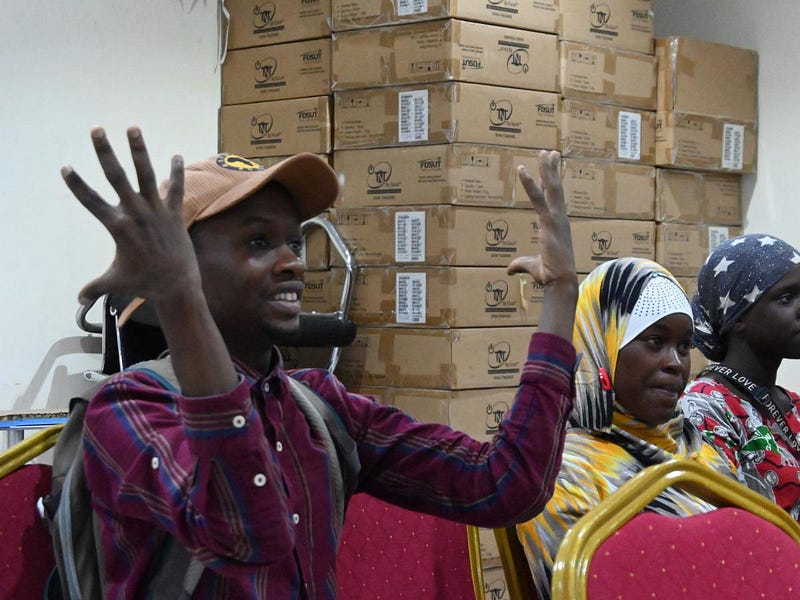
By recognizing and valuing the contributions of the deaf community, Ghana’s political landscape can become more inclusive and representative, ensuring that every voice is heard — loud and clear.
Share You Thoughts With Me
As we move towards the 2024 elections, how do you think political parties can better engage and include the deaf community in their campaigns? Share your thoughts and ideas in the comments below!
Comments
Post a Comment